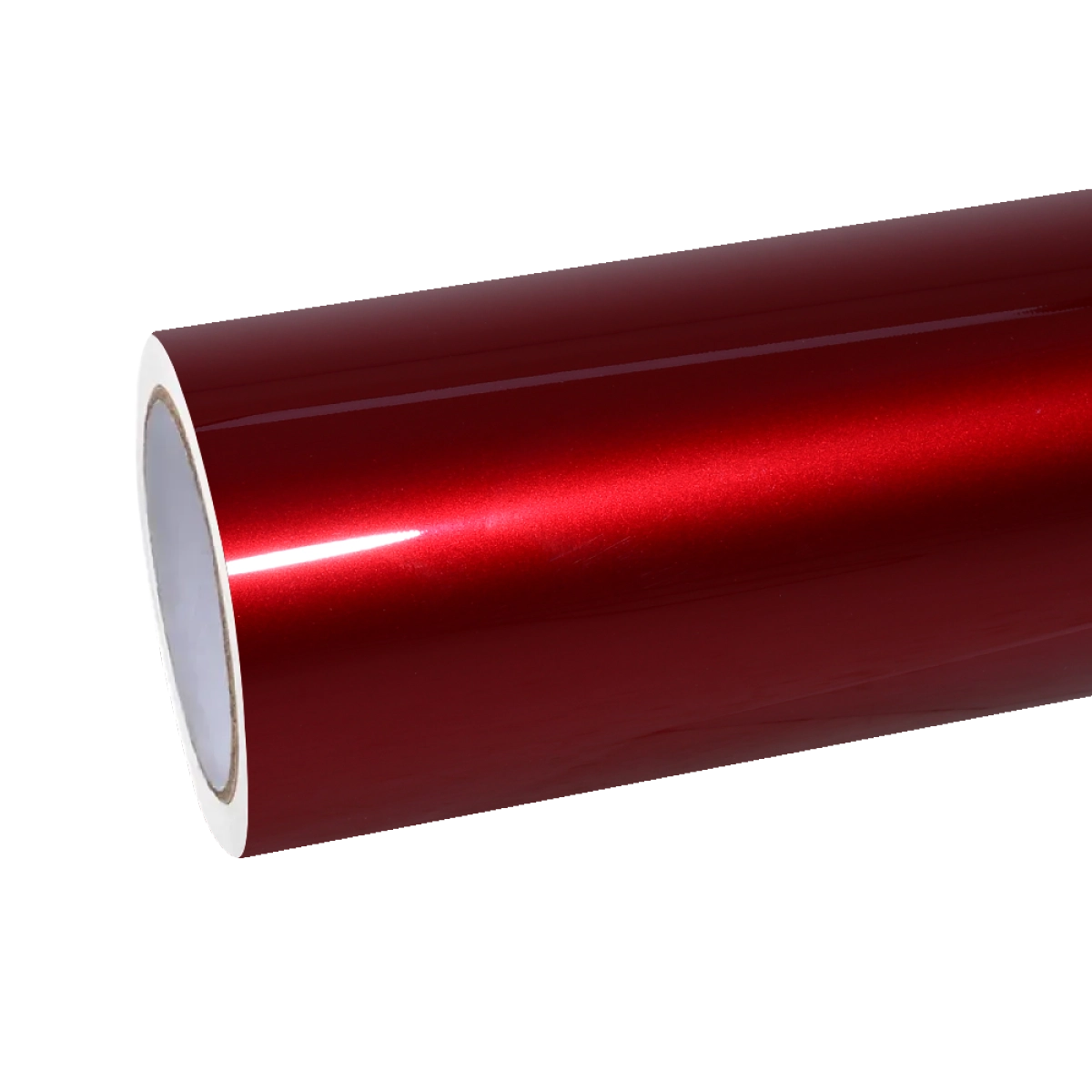
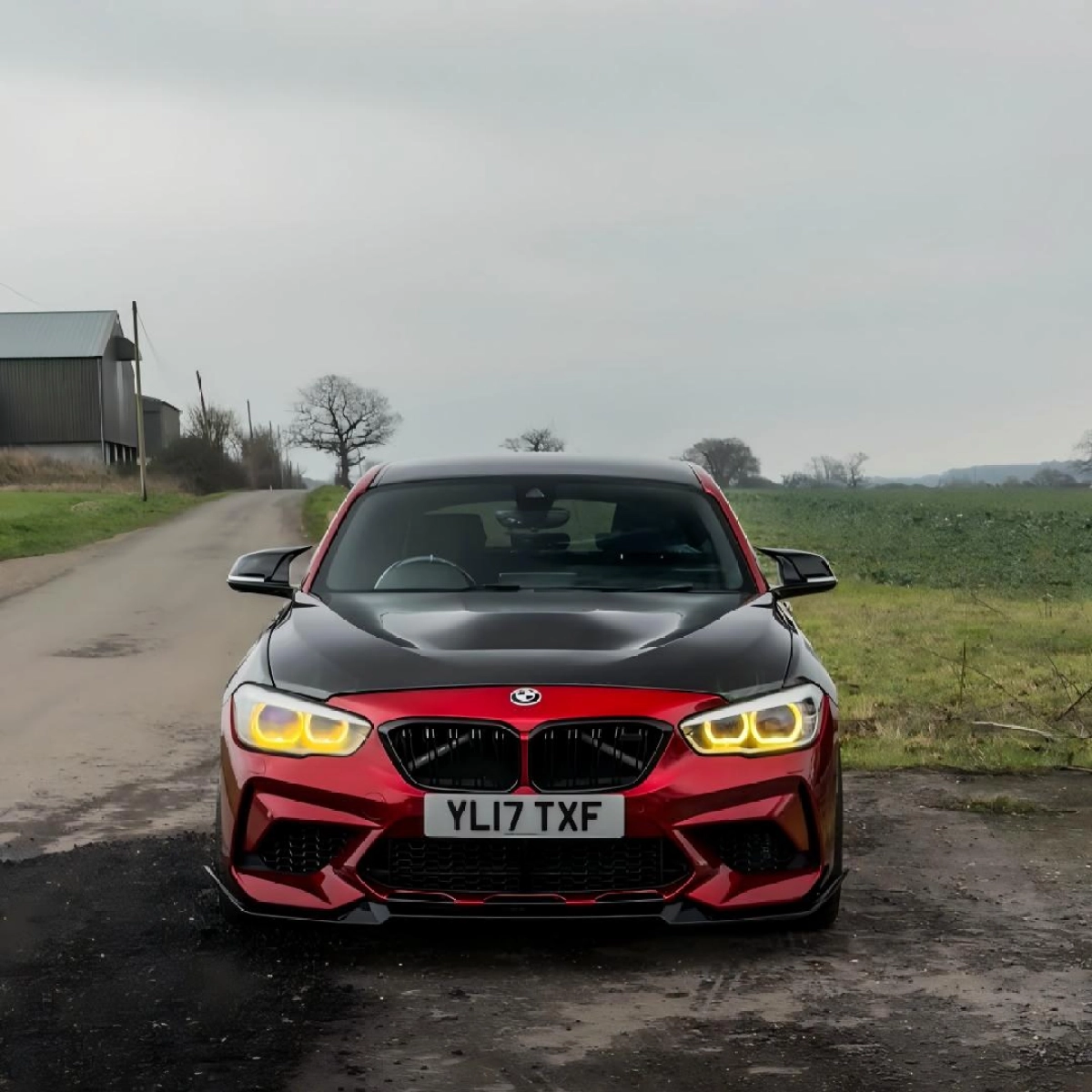
The Cherry Red Vinyl Wrap stands as your optimal choice. Engineered with air-channel release technology, this Cherry Red Car Wrap adapts seamlessly to bothsimple and intricate curves. Tailored for vehicle wrapping, Gloss Cherry Red Car Wrapeffortlessly adheres to almost any smooth, hard non-porous surface, offering achrome-like appearance. Safeguarded by a clear protective layer, your reflective finishremains unscathed during installation. Once applied, witness the brilliance of thefinish. Metallic Cherry Red Vinyl Wrap employs advanced technology for a flawless,bubble-free application, even on curved and contoured surfaces. Its integrated airrelease channels simplify the application process, ensuring swift and easy coverage ofeven the most complex vehicle details.
About ALUKOVINYL:
We offer the vehicle wrap to worldwide customers with affordable cost, which compeletly allowyou to change the color of your vehicle to match your style. Cherry Red Wrap is an unmissableway to add color and style to reflect your style and personality.There are also many high quality and cheap vehicle film wraps for sale, such as gloss red carwrap, metallic red vinyl wrap, gloss red metallic vinyl wrap, and red wrap.
Car wraps have become a popular choice for vehicle owners seeking to protect their car’s original paint, change its appearance, or promote a brand, thanks to their versatility and non-permanent nature. However, the durability of car wraps varies significantly, with some lasting just a few years while others maintain their quality for a decade or more. Understanding the key factors that influence their lifespan is essential for anyone investing in a car wrap, as it helps set realistic expectations and maximize the value of the investment. Several interrelated elements, including material quality, installation standards, environmental conditions, maintenance practices, and usage patterns, collectively determine how long a car wrap will remain intact and visually appealing.
The quality of the vinyl material used in the car wrap is the foundation of its durability. Not all vinyl films are created equal, and the type and grade of material directly impact longevity. Premium cast vinyl, widely regarded as the most durable option, is thin, flexible, and designed to conform seamlessly to a vehicle’s curves without cracking or lifting. It contains high-quality polymers and UV inhibitors that resist fading and degradation, typically lasting 5 to 7 years with proper care. In contrast, calendared vinyl is thicker, less flexible, and better suited for short-term use, lasting only 1 to 3 years before showing signs of wear like peeling or brittleness. Additionally, the material’s composition matters—top-tier brands such as 3M, Avery Dennison, and XPEL use advanced formulas with superior adhesives and protective coatings, while budget or off-brand films often lack these components, leading to premature failure within 2 to 3 years. For paint protection films (PPF), TPU (thermoplastic polyurethane) is the most durable material, offering excellent flexibility, self-healing properties, and resistance to UV damage, with a lifespan of 7 to 10 years, compared to PVC or TPH materials that last only 1 to 3 years.
Professional installation is another critical factor that cannot be overstated, as even the highest-quality vinyl will fail prematurely if applied incorrectly. The “three parts film, seven parts installation” adage holds true for car wraps, as poor installation leads to issues like bubbling, lifting edges, and adhesive failure. Proper installation requires a clean, dust-free environment—ideally a professional无尘车间—to ensure the vinyl adheres tightly to the car’s surface without trapped debris, which can cause bubbles and accelerate wear. Skilled installers also use precise techniques to handle edges and seams, ensuring they are properly sealed to prevent moisture intrusion, which can worsen lifting and adhesion problems. Post-heating during installation is also essential, as it stabilizes the vinyl and helps it conform to the vehicle’s contours, reducing stress from temperature changes. DIY or amateur installations, by contrast, often skip these steps, resulting in wraps that fail within 1 to 2 years.
Environmental conditions play a major role in the durability of car wraps, as they are constantly exposed to the elements. UV radiation from the sun is one of the most damaging factors, as it breaks down vinyl polymers and inks, leading to fading, discoloration, and loss of flexibility over time. Vehicles parked outdoors for long periods experience more UV damage than those stored in garages or shaded areas, with garage storage potentially adding 2 to 3 years to a wrap’s lifespan. Extreme temperatures, both hot and cold, also take a toll: high heat softens the vinyl and adhesive, potentially causing shrinkage or lifting, while cold temperatures make vinyl less flexible, and repeated freezing-thawing cycles can stress edges and seams. Moisture from rain, snow, and humidity does not directly damage vinyl but can exploit weak points—water intrusion at edges or seams can worsen lifting, while snow, ice, and road salt add abrasion and chemical exposure that accelerates wear. Additionally, urban environments with more sun exposure and stop-and-go traffic, or rural areas with dust, gravel, and debris, introduce different wear patterns that impact durability.
Regular maintenance and proper care are key to extending the lifespan of a car wrap, as neglect can significantly shorten its durability. Simple habits like regular cleaning remove contaminants such as bird droppings, bug splatter, and road grime, which can degrade the vinyl if left unaddressed. It is important to use soft microfiber towels and mild, pH-neutral cleaning products, as abrasive materials or harsh chemicals (like ammonia or alcohol) can scratch the wrap or break down the adhesive and protective coating. Avoiding high-pressure water directly on wrap edges also prevents lifting, while parking in shaded or covered areas reduces UV exposure and temperature stress. For long-term protection, applying a wrap-safe ceramic coating or sealant every 6 months can enhance resistance to scratches and fading. Additionally, adhering to the post-installation curing period—typically 7 days without washing or exposing the wrap to heavy rain—ensures the adhesive bonds fully to the vehicle’s surface.
Finally, usage patterns and vehicle type influence how long a car wrap lasts. Vehicles with high mileage, especially those driven frequently on highways, are exposed to more flying debris like rocks and sand, which cause micro-abrasions and damage the wrap’s surface. Off-roading or driving in construction zones further increases wear, as the wrap is more likely to come into contact with sharp objects. Vehicle type also matters: trucks and SUVs have larger horizontal surfaces (such as roofs and truck beds) that receive more UV exposure and temperature cycling, leading to faster wear compared to sedans. Commercial wraps, used for fleet vehicles or advertising, often have shorter lifespans (2 to 3 years) due to high daily mileage and the need for brand updates, while personal wraps, when properly maintained, can last the full 5 to 7 years or more.
In conclusion, the durability of car wraps is determined by a combination of material quality, professional installation, environmental conditions, maintenance practices, and usage patterns. Investing in high-quality vinyl materials, choosing a skilled installer, protecting the wrap from harsh environmental factors, and following proper maintenance routines are the best ways to maximize its lifespan.




Reviews
There are no reviews yet.